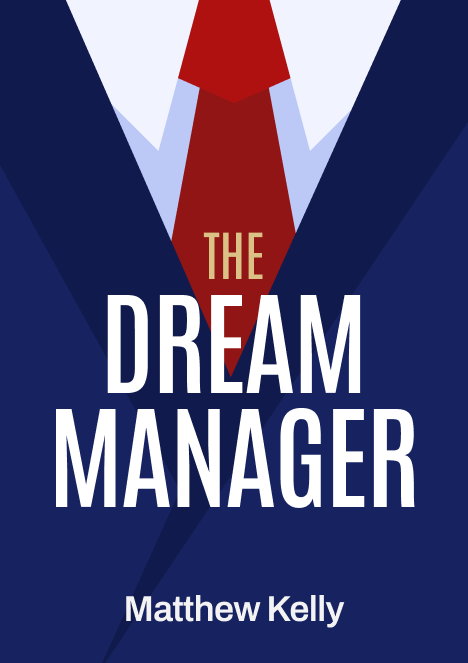
Whatever their size, high corporate turnover has become a real problem for companies, who are only now beginning to make this issue a priority. Salary is no longer the main reason for which people stay in their jobs. Staying in the same job from the early years of one’s career, until retirement has become a thing of the past. The dream of growing up and growing old in one single organization is gone.
Many factors are involved which, over time, have exacerbated the symptoms described by Matthew Kelly in his book The Dream Manager, which was first published in 2007. The financial crisis, the advent of fixed-term contracts and the pandemic, are just a few. Additionally, in some new emerging professions, the digital sector is just one example, positions remain unfilled due to a shortage of qualified personnel.
The prediction made by the author regarding the talent war has become reality. Those who possess the most sought-after skills today jump from one job to another, raising the stakes.
People no longer live to work. They are no longer prepared to do ‘whatever it takes’ to keep their jobs, and companies have to deal with an ever-increasing number of people actually choosing to leave. Anyone who quits, opens up a new cost item for the recruitment and training of a new resource. Not only that, people who leave add a notch to the tally of the company's failures. Failing to motivate and inspire your employees to stay is a recipe for disaster.
Money is no longer enough of a reason for people to stay. There are people who would still leave, even if they were given a raise every year. So, what does all this mean? “Dream Management” is based on a simple concept. Find out what really drives your employees, take an interest in what their dreams are, and help them achieve those dreams.
There is no stronger lever to make people feel motivated than helping them to feel fulfilled first and foremost as people. This assumption works for any type of organization, be it a company, a sports team or a school.